Industrial protection
Industrial & HRC Fuses
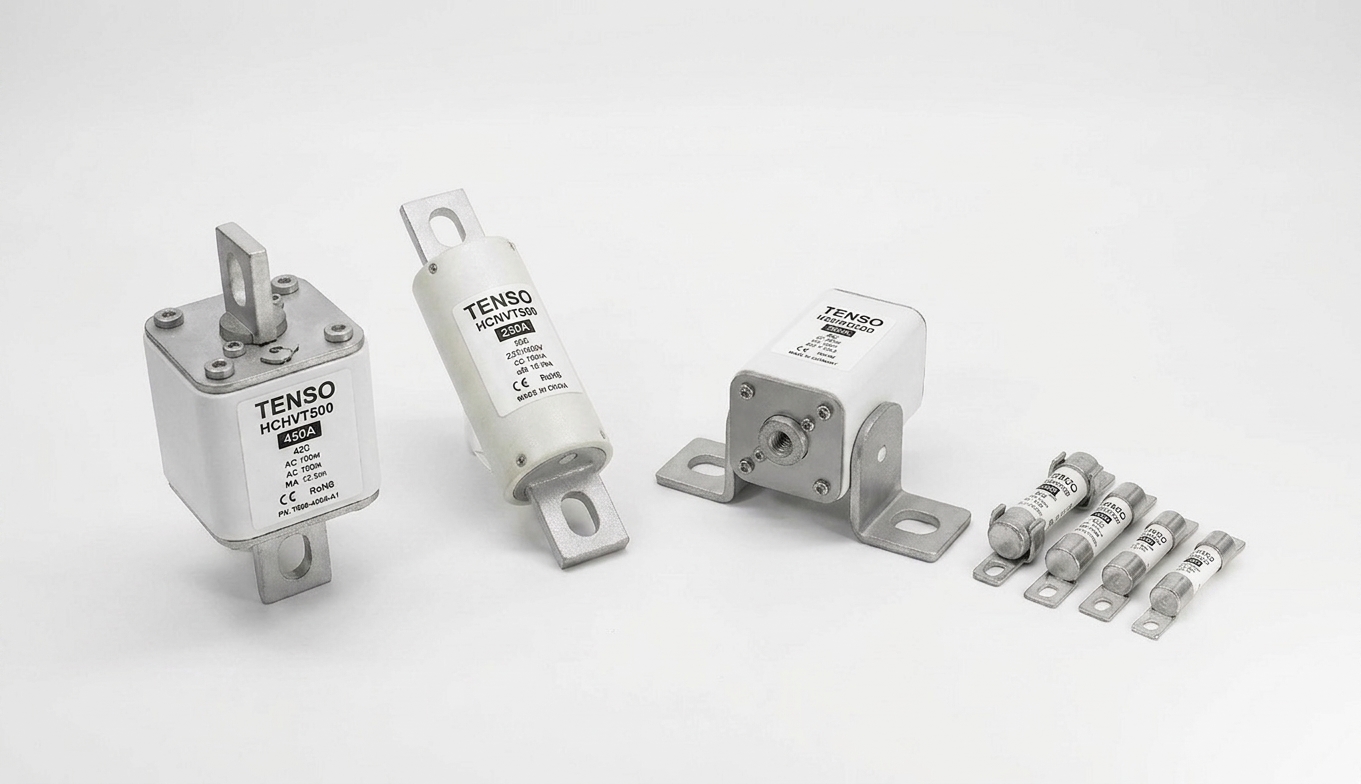
High-rupturing-capacity NH and BS 88 fuse-links, plus ultra-rapid semiconductor fuses — built to clear high prospective fault currents safely, in our own factory.
- High breaking capacity for high fault-current systems
- Built to IEC 60269-2 and the UL 248 classes
- gG, aM and aR / gR utilization categories
- Bases, holders and switch-disconnectors to match
CEULRoHSREACH
Product range
A complete range from one supplier
Every line below is engineered, built and tested in our own factory — so you can source a complete, matched range from a single manufacturer, with one set of documents.
HRC / NH Fuses & Bases
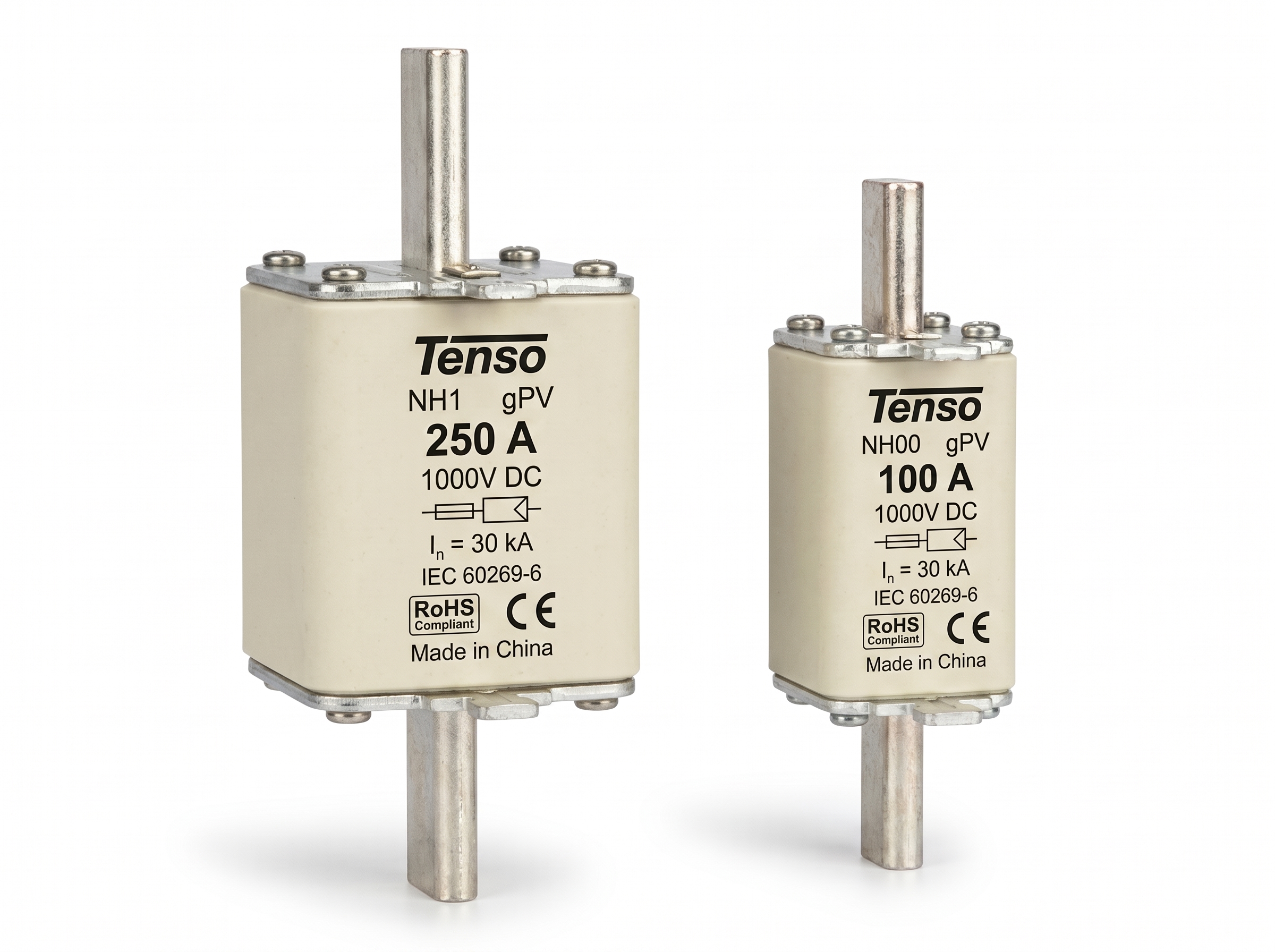
High-breaking NH knife-blade and BS 88 links plus bases for LV distribution and motor circuits.
6–1250 AgG / aMNH00–NH4 · BS 88
View range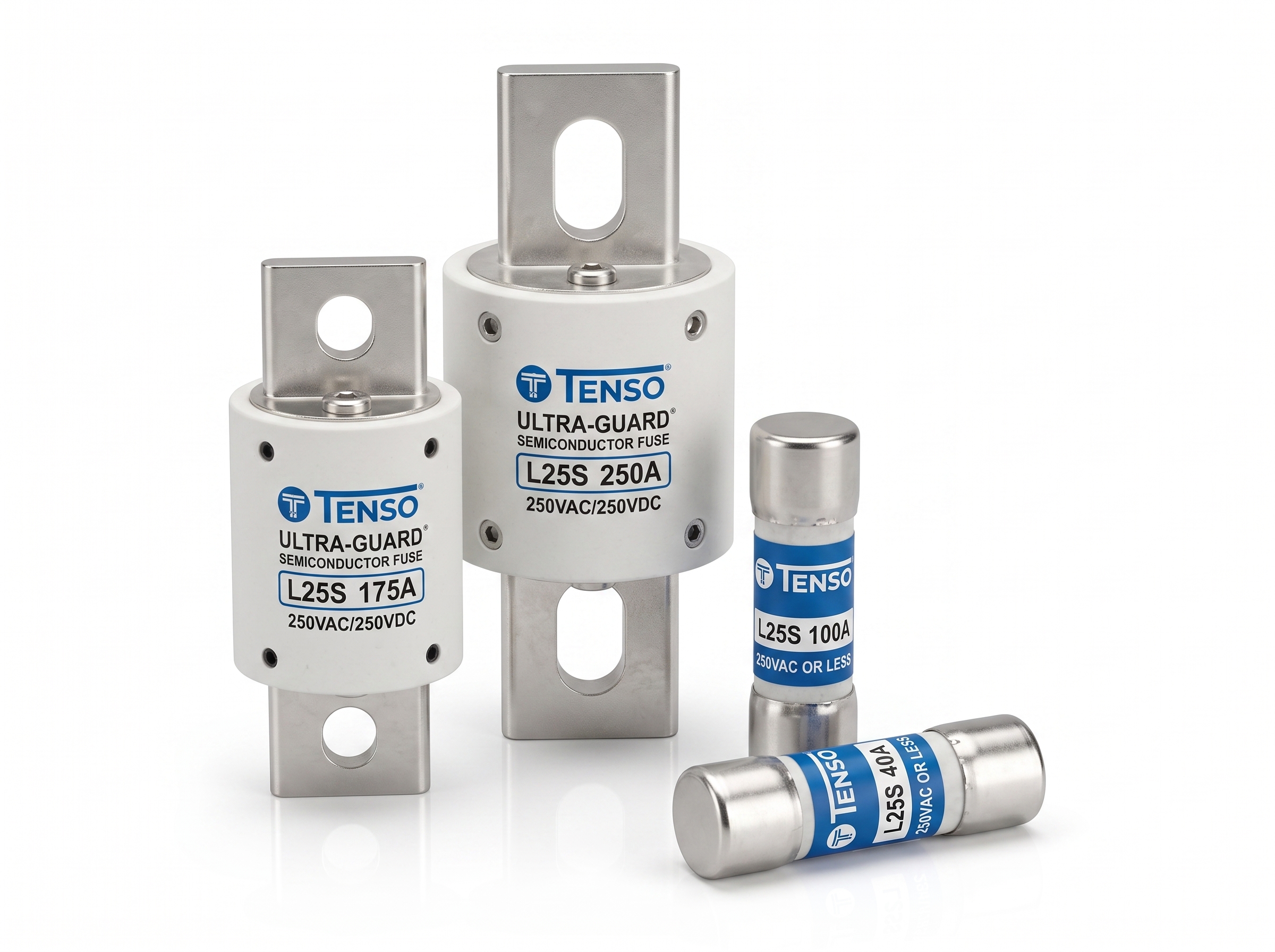
Semiconductor Fuses
Ultra-rapid aR / gR fuses to protect IGBTs, thyristors and diodes in drives and inverters.
aR / gRLow I²tUltra-rapid
View range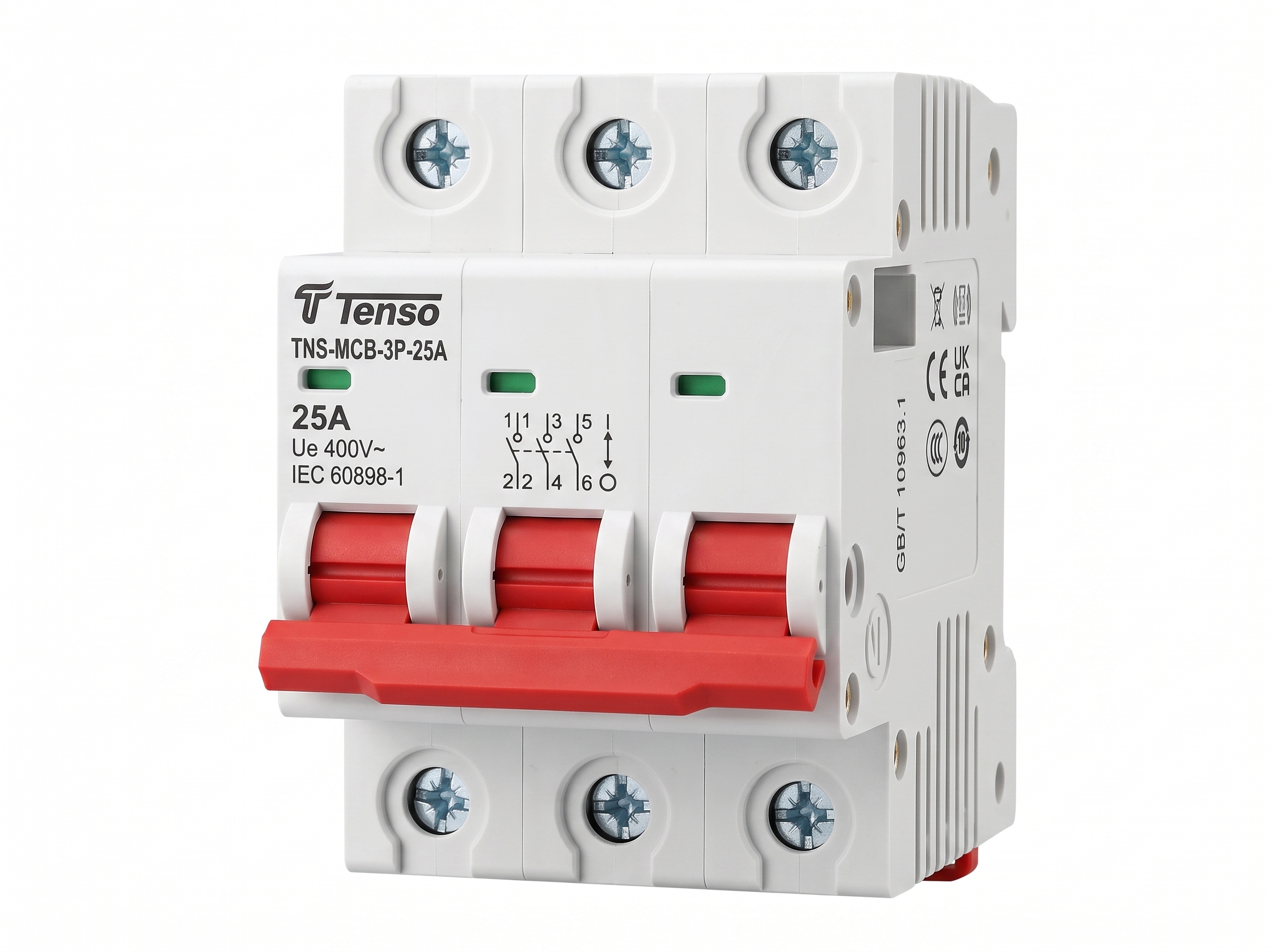
Bases, Holders & Switch-Disconnectors
Mount or switch NH links — including fuse switch-disconnectors for panel builds.
NH basesFuse switchPanel-ready
View rangeSpecifications & standards
Built and tested to standard
The headline ratings and the standards we build to. Full datasheets — with tolerances, time-current curves and dimensions — are available on request.
| Type | HRC / NH · BS 88 · semiconductor |
|---|---|
| Current rating | 6 – 1250 A |
| Categories | gG · aM · aR · gR |
| Standards | IEC 60269-2 / -4 · UL 248 · BS 88 |
| Sizes | NH00 · NH0 · NH1 · NH2 · NH3 · NH4 |
| Voltage | 400 / 500 / 690 V AC (+ DC variants) |
Standards & approvals
- IEC 60269-2 Fuses for industrial / skilled use (NH, BS 88)
- IEC 60269-4 Semiconductor fuse-links
- UL 248 Low-voltage fuse classes — North America
Breaking capacity is the whole point of an HRC fuse: the kA rating must exceed the prospective short-circuit current at the point of installation. For semiconductors, the fuse's total I²t must be below the device's withstand I²t.
HRC fuse vs semiconductor fuse explainedIn industrial protection, the first number an engineer checks is breaking capacity. Near transformers and large distribution, prospective fault currents are high, and a fuse whose kA rating sits below that fault level can rupture instead of clearing it — the most serious selection error there is. Tenso manufactures HRC / NH and BS 88 fuse-links, and ultra-rapid semiconductor fuses, with breaking capacity and let-through verified in test before parts ship.
The complete industrial range
The line covers HRC (high-rupturing-capacity) NH knife-blade and BS 88 cylindrical links for LV distribution and motor circuits; ultra-rapid aR / gR semiconductor fuses for drives, inverters and rectifiers; and the bases, holders and fuse switch-disconnectors that mount and switch them. Sourcing the fuse and the switchgear together keeps coordination, documents and lead times under one roof.
gG vs aM — match the category to the load
gG is general-purpose and full-range — it protects cables and general circuits across the whole overcurrent range. aM is motor back-up and partial-range — it clears short circuits but is designed to ride through motor inrush, so it gives no overload protection on its own and must be paired with an overload relay. Choose gG for cable and general circuits; aM (plus an overload relay) for motors; and aR / gR only for power semiconductors.
I²t — the rule for semiconductors
Only a semiconductor fuse is fast enough to protect an IGBT, thyristor or diode: the fuse’s total let-through energy (I²t) must be below the device’s withstand I²t, or the device is not protected. A standard gG fuse is far too slow. Send us the device withstand and we will coordinate the fuse.
Why source from Tenso
You're buying from the factory
No trading-company markup and no telephone game with a sub-supplier — design, tooling, production and QC all sit under one roof.
High breaking capacity
Sand-filled bodies that quench the arc and clear very high fault currents without bursting — the defining HRC parameter, verified in test.
The right category
gG for cables and general circuits, aM for motor back-up, aR / gR for semiconductors — specified to what you're actually protecting.
Coordination support
Help with discrimination / selectivity and I²t coordination so only the fuse nearest a fault clears.
Range + switchgear
HRC / NH and BS 88 links, semiconductor fuses, plus bases, holders and switch-disconnectors from one supplier.
Applications
Where these parts go to work
Switchgear & distribution
Boards, MCCs, feeders
Motor protection
aM back-up with overload relay
Drives & inverters
Power-semiconductor protection
See solutionsUPS & power electronics
Rectifiers, converters
Certified
Compliance you can hand to your QA team
Built to the standards your market and your auditors expect — with certificates and declarations available on request.
Conformity for the European market across applicable ranges.
UL recognition/listing on qualifying fuse classes.
Restricted-substance compliance for the supply chain.
Substance-of-concern declarations available on request.
Cross-reference
Switching from another brand?
Second-sourcing an industrial fuse? Send the reference, fault level and category and we'll confirm the Tenso equivalent.
| Type | Category | Tenso equivalent | Rating |
|---|---|---|---|
| NH knife-blade | gG | TS-NH series | 6–1250 A |
| NH motor back-up | aM | TS-NHaM series | 16–630 A |
| Ultra-rapid | aR | TS-UR series | low I²t |
How to order
From enquiry to delivery
- 01
Enquiry
Send the rated current, system voltage, prospective fault current and utilization category. We confirm fit and selectivity.
- 02
Samples
Approve samples for qualification against your switchgear or drive build.
- 03
Quote & terms
Pricing, MOQ, lead time and Incoterms in one clear quote.
- 04
Production
Manufactured and assembled in-house to the approved sample.
- 05
QC & shipping
Batch-inspected, then packed and shipped with documentation to your port.
Request a quote
Tell us what you need protected.
Send a part number, a drawing, or a description of the circuit. We confirm fit and pricing within one business day.
- Email sales@tensofuse.com
- WhatsApp Chat with sales
FAQ
Industrial protection — questions buyers ask
What is an HRC fuse?
A high-rupturing-capacity fuse — a sand-filled body that quenches the arc and safely clears very high fault currents, used in industrial and commercial LV systems.
What do NH00, NH1, NH2… mean?
They're the standard NH knife-blade fuse-link sizes, set by current rating and physical size (NH000 up through NH4 covers roughly 6 A to 1250 A).
What's the difference between gG and aM?
gG is general-purpose, full-range (cables and general circuits). aM is motor back-up, partial-range — it handles short circuits and inrush but gives no overload protection on its own, so it's used with an overload relay.
What breaking capacity do I need?
Enough to exceed the prospective short-circuit current at the point of installation. A fuse rated below the fault level can rupture under fault.
Semiconductor fuse vs standard fuse?
Only an aR / gR semiconductor fuse is fast enough (low enough I²t) to protect IGBTs, thyristors and diodes; a standard gG fuse is far too slow.