Isolation & switching
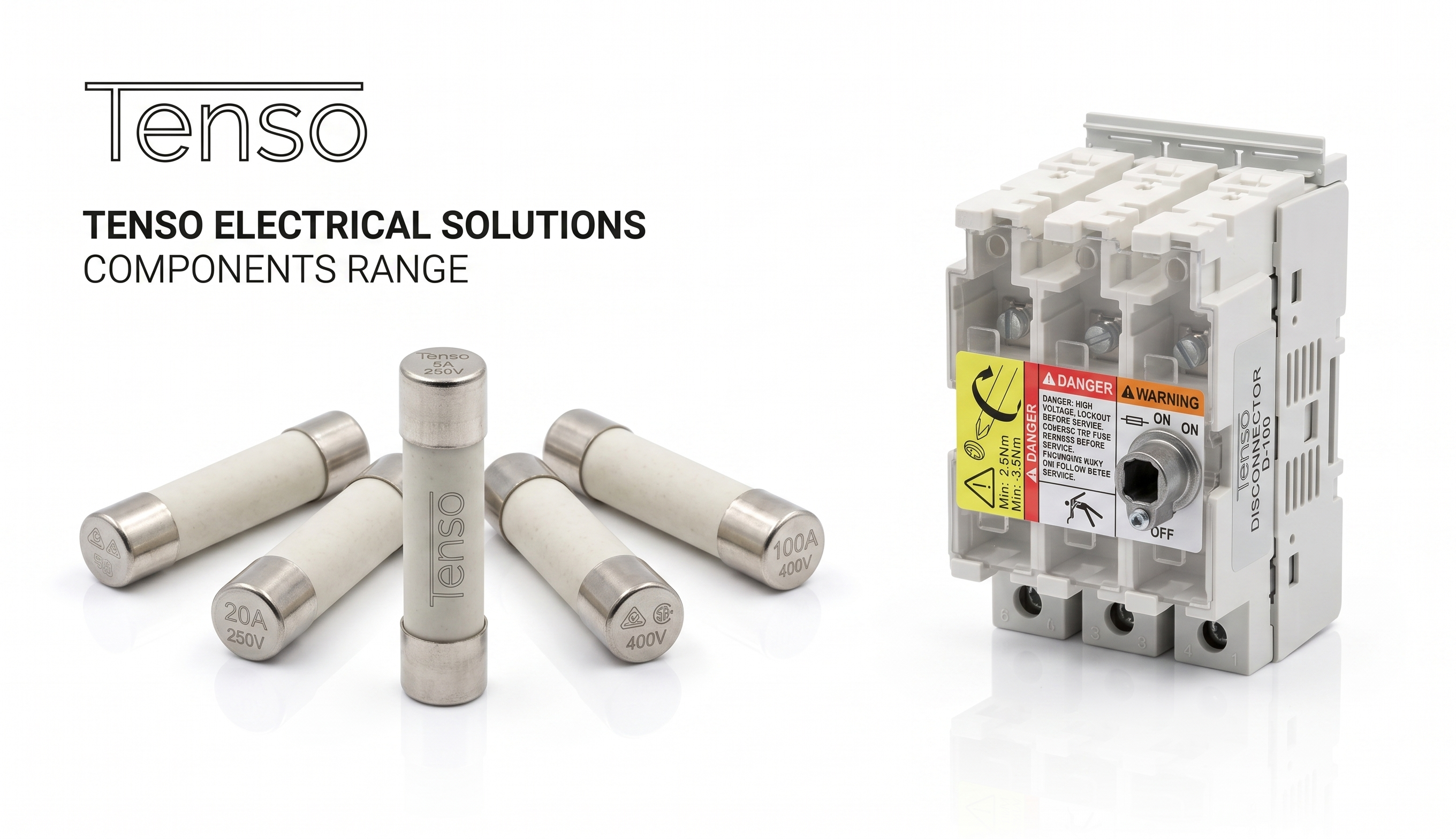
Fuse Switch Disconnectors & Isolators
Isolators, load-break switches and fusible disconnects up to 400A — isolation, on-load switching and integrated fuse protection in one device, built in our own factory.
- Isolation + switching + protection in one unit
- Built to IEC 60947-3 and UL 98
- 1- to 4-pole, AC and DC duty
- Takes NH / HRC fuse-links we also make
CEULRoHSREACH
Product range
A complete range from one supplier
Every line below is engineered, built and tested in our own factory — so you can source a complete, matched range from a single manufacturer, with one set of documents.
Specifications & standards
Built and tested to standard
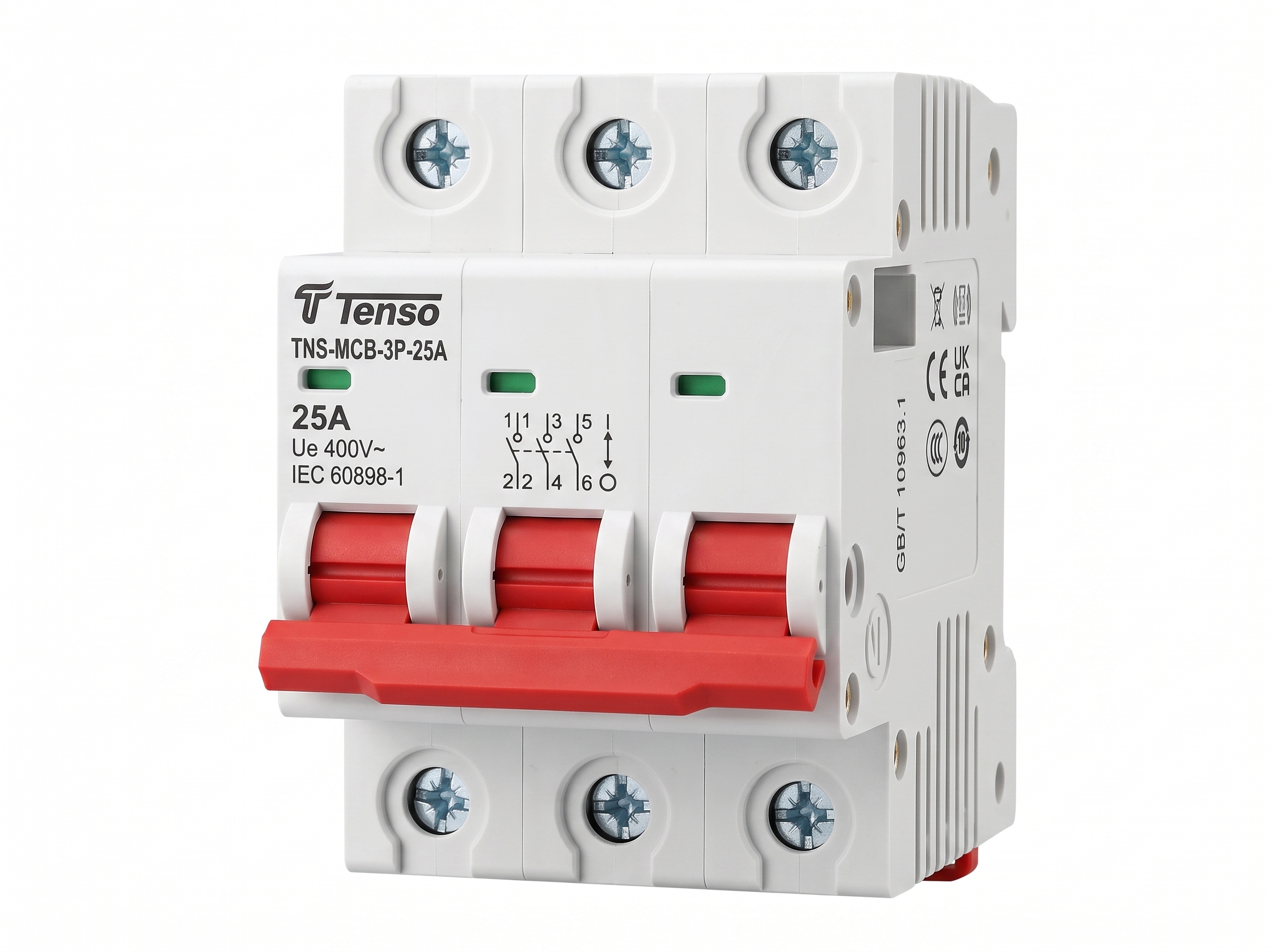
The headline ratings and the standards we build to. Full datasheets — with tolerances, time-current curves and dimensions — are available on request.
| Type | Isolator · switch-disconnector · fusible |
|---|---|
| Current rating | Up to 400 A |
| Poles | 1 / 2 / 3 / 4-pole (+ N) |
| Utilization | AC-21 / AC-22 / AC-23 (+ DC) |
| Standards | IEC 60947-3 · UL 98 |
| Fuse-links | NH00–NH3 / HRC |
Standards & approvals
- IEC 60947-3 Switches, disconnectors, switch-disconnectors & fuse-combination units
- UL 98 Enclosed and dead-front switches — North America
- RoHS / REACH Restricted-substance compliance
A load-break switch can make and break under load; a plain disconnector is for off-load isolation only. Match the utilization category to the load — a switch rated only AC-21 used to break a motor load (AC-23) can fail.
Isolator switch vs fuse switch disconnectorMost of the confusion in this product line is vocabulary, and it matters because the wrong choice arcs. A disconnector / isolator creates a safe, visible, lockable break for isolation. A switch-disconnector (load-break switch) can also make and break load current. A fuse switch-disconnector adds fuses — so one device gives isolation, on-load switching and short-circuit protection. Tenso manufactures all three, and the NH / HRC fuse-links that go inside the fusible units.
Fused or non-fused?
A fusible disconnect protects the circuit at that point — useful where there is no upstream protection — by combining a lockable isolation point, on-load switching and HRC fuse protection in one compact device. A non-fused isolator provides isolation and switching only and relies on protection upstream. Don’t rely on a non-fused isolator for short-circuit protection.
Match the utilization category to the load
IEC 60947-3 rates switching duty by category: AC-21 for resistive loads, AC-22 for mixed, AC-23 for motor loads, with DC equivalents. A switch rated only AC-21 used to break a motor load can fail. For DC duty — solar arrays, battery systems — specify DC-rated devices, because a DC arc has no natural current zero to help it extinguish.
The fuse-links that go inside
Fusible units take NH / HRC fuse-links, which we also manufacture — see industrial & HRC fuses. Sourcing the device and its fuse from one supplier keeps the protection coordinated and the paperwork simple.
Why source from Tenso
You're buying from the factory
No trading-company markup and no telephone game with a sub-supplier — design, tooling, production and QC all sit under one roof.
Three jobs, one device
A fused switch-disconnector gives a lockable isolation point, on-load switching and HRC/NH short-circuit protection — saving space and wiring in the panel.
Right utilization category
AC-21 resistive, AC-22 mixed, AC-23 motor loads, with DC equivalents — specified to the load so the switch can break it safely.
Fuse + switchgear together
We make the NH / HRC fuse-links that go inside, so the fuse and the device are coordinated from one supplier.
Lock-out / tag-out ready
Lockable handles and IP-rated enclosures for maintenance isolation and harsh or outdoor sites.
Applications
Where these parts go to work
Distribution & switchgear
Main and feeder disconnects
Motor & equipment
Lock-out / tag-out disconnects
Solar PV DC isolation
Array disconnection
See solutionsBuilding services
Infrastructure and plant
Certified
Compliance you can hand to your QA team
Built to the standards your market and your auditors expect — with certificates and declarations available on request.
Conformity for the European market across applicable ranges.
UL recognition/listing on qualifying switch ranges.
Restricted-substance compliance for the supply chain.
Substance-of-concern declarations available on request.
Cross-reference
Switching from another brand?
Second-sourcing a disconnect? Send the current, poles and category and we'll confirm the Tenso equivalent.
| Type | Rating | Tenso equivalent | Poles |
|---|---|---|---|
| Isolator (load-break) | ≤ 125 A | TS-ISO series | 1–4 pole |
| Fusible disconnect | ≤ 250 A | TS-FD250 series | 3 / 4 pole |
| Fusible disconnect | ≤ 400 A | TS-FD400 series | 3 / 4 pole |
How to order
From enquiry to delivery
- 01
Enquiry
Send the current, poles, voltage, utilization category and whether you need fused or non-fused. We confirm fit.
- 02
Samples
Approve samples for qualification against your panel design.
- 03
Quote & terms
Pricing, MOQ, lead time and Incoterms in one clear quote.
- 04
Production
Manufactured and assembled in-house to the approved sample.
- 05
QC & shipping
Batch-inspected, then packed and shipped with documentation to your port.
Request a quote
Tell us what you need protected.
Send a part number, a drawing, or a description of the circuit. We confirm fit and pricing within one business day.
- Email sales@tensofuse.com
- WhatsApp Chat with sales
FAQ
Isolation & switching — questions buyers ask
What's the difference between an isolator and a disconnector?
Both create a safe, lockable break for isolation. A disconnector on its own may be for off-load use; a switch-disconnector (load-break switch) can also make and break current under load.
Switch-fuse or fuse-switch — what's the difference?
It's the position of the fuse relative to the switching mechanism. Both are fused switch-disconnectors giving isolation, switching and short-circuit protection in one device.
Fused or non-fused disconnect — which do I need?
Fused if you want short-circuit protection at that point in the circuit; non-fused (isolator) if protection is provided upstream and you only need isolation and switching.
What is the AC-23 utilization category?
It's the IEC 60947-3 rating for switching motor loads. AC-21 is for resistive loads and AC-22 for mixed loads.
What size fusible disconnect do I need?
Size it to the load current and the upstream supply — common industrial ratings run to 200 A and 400 A. Confirm against your design.